
Should I Renovate or Move House?
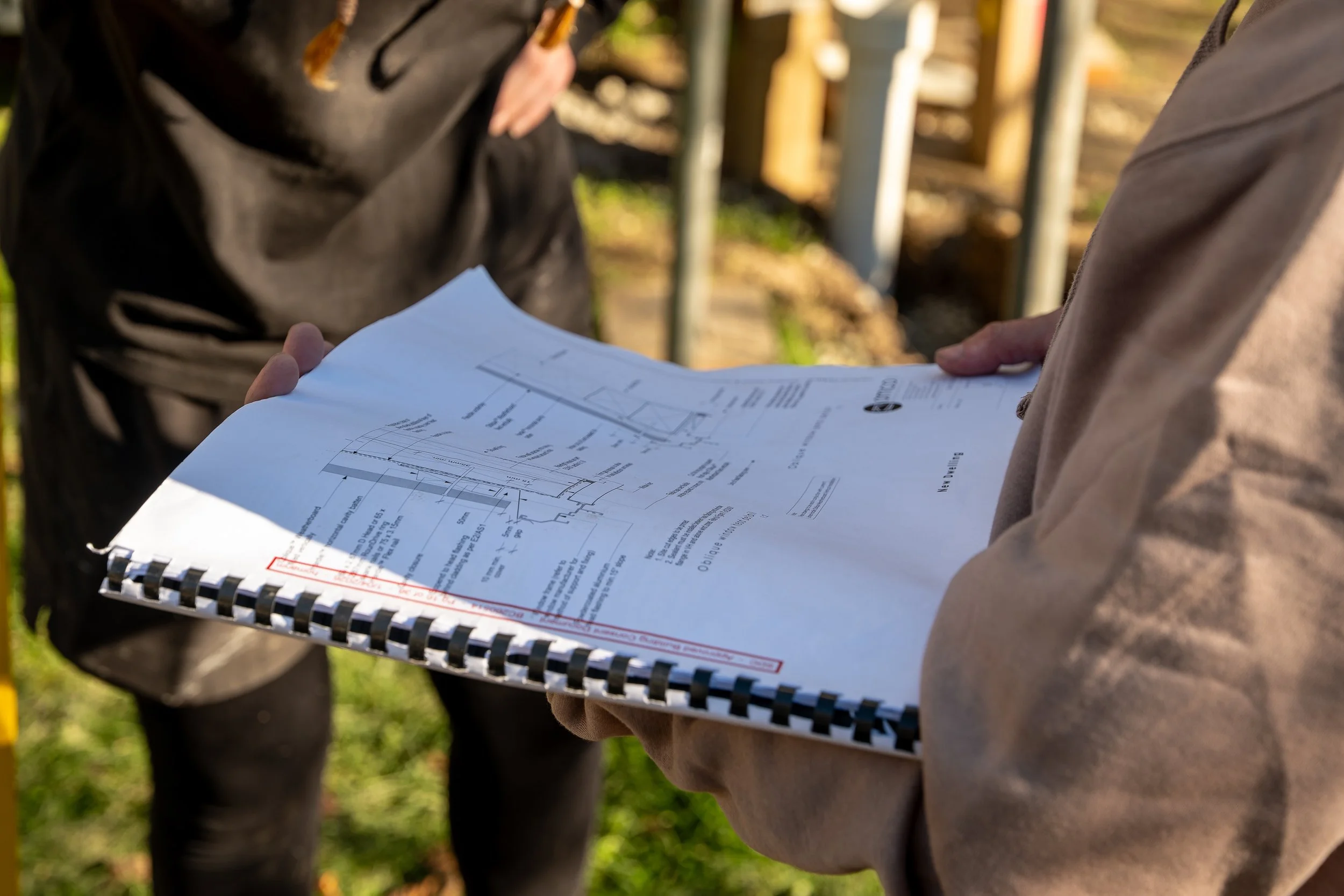
When your home stops working the way it used to, moving can feel like the obvious answer.
You need another bedroom. The kitchen is too small. Someone is working from the dining table. The layout feels awkward. Or your family has simply outgrown the way the house was designed.
That is usually when the question comes up. Should we renovate, or would it be easier to sell and buy another house?
Moving can be the right call. But before the For Sale sign goes up, it is worth understanding what your current home could do with a few well considered changes.
Moving comes with its own costs
Moving comes with costs and compromises that are easy to overlook.
The cost of the next house is only part of the picture. Selling can also involve agent commission, advertising, legal fees, property reports and moving expenses. If you buy before your current home sells, bridging finance may add another cost to consider.
Then there is the new house itself. It may solve one problem and introduce a few more.
If you already love your street, your neighbours, your school zone, your section or the life you have built around your home, it is worth looking at what could change before deciding to leave.
Work out what needs to change
Before deciding to move, get specific about what is making the house difficult to live in. From there, you can look at the best way to solve it.
A renovation could improve the layout and make better use of the floor area you already have. An extension could create the extra room your household needs. An additional dwelling could provide a separate home for ageing parents, adult children or rental income.
The way New Zealand families live is changing too. The 2023 Census recorded 27.2% more extended families than in 2013, along with a 27.3% increase in families living with adult children.
For some households, creating another place to live on the same property can make a lot of sense. Since January 2026, certain new single storey, standalone dwellings up to 70m² can be built without a building consent when the exemption requirements are met. A Project Information Memorandum and council notifications are still required, and the work must comply with the Building Code.
And sometimes, moving one wall does far more than adding another room.
Alterhouse starts by understanding what is getting in the way, then looking at the options, costs and trade-offs before deciding how much building work makes sense.
Frequently asked questions
Should I renovate or extend my house?
Start by working out if the problem is a lack of space or poor use of the space you already have. A renovation may improve the layout without increasing the footprint. An extension may suit a household that genuinely needs more floor area.
Can I stay in my home during a renovation?
That depends on the size and type of renovation. Some homeowners can remain in the house for all or part of the work. Larger projects may require temporary accommodation. This should be discussed during planning so you know what to expect before construction begins.
Do I need plans before talking to a renovation builder?
No. Many projects begin with a problem or an idea rather than completed plans. An early conversation can help clarify the best next steps and identify any specialists required.
There are times when moving makes sense
Renovation will not suit every property or every family.
Your section may limit what can be added. Your location may no longer suit your plans. The work required may be larger than you want to take on. Knowing that is useful too.
The important part is understanding the options before making a big decision. Existing homes can have previous alterations, ageing materials and hidden construction issues, so early advice can help you get a clearer picture of what is practical and where your budget is best spent.
Start with the home you have
If you love where you live but the house has stopped keeping up, you may have more options than you think.
You do not need finished plans before starting the conversation. Begin with what is no longer working, what your household needs next and what you would like to make easier.
From there, Alterhouse can help you explore renovation, extension and additional dwelling options and find a practical way forward.